A backed-up sewer line or failed septic system doesn't just mean a mess — it means contaminated water carrying bacteria and pathogens that has to be handled under strict containment. A DIY approach to sewage cleanup puts household members at real risk of exposure.
EPA-registered antimicrobial treatment and compliant disposal of contaminated materials are standard on every Sewage Cleanup job we run in Dayton, OR.

Every technician entering a Dayton, OR sewage job wears full PPE — no shortcuts, regardless of how minor the backup looks.
Our Dayton, OR disinfection process uses compliant, registered products rather than generic household cleaner.
We document disposal of contaminated materials to keep the process compliant and traceable.
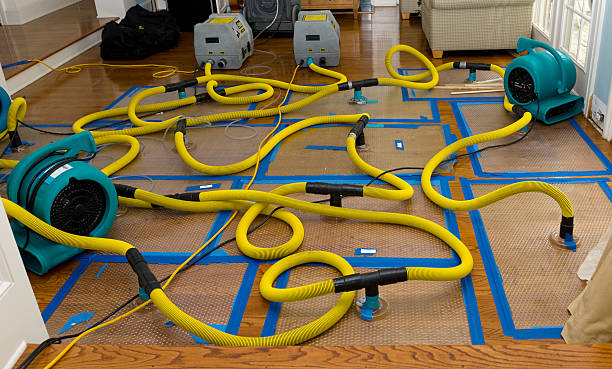
Containment barriers go up before cleanup starts, keeping contaminated water isolated from living spaces.
Sewage cleanup follows a strict sequence built around safety, and here's how our Dayton, OR crews handle it.

We contain the affected zone before extraction begins to prevent spread.
Crews are trained specifically in biohazard-level cleanup procedures.
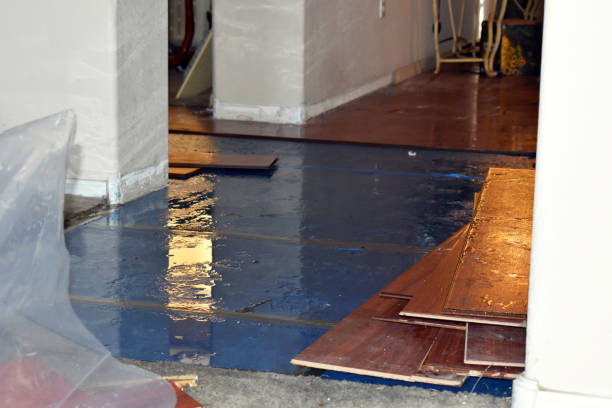
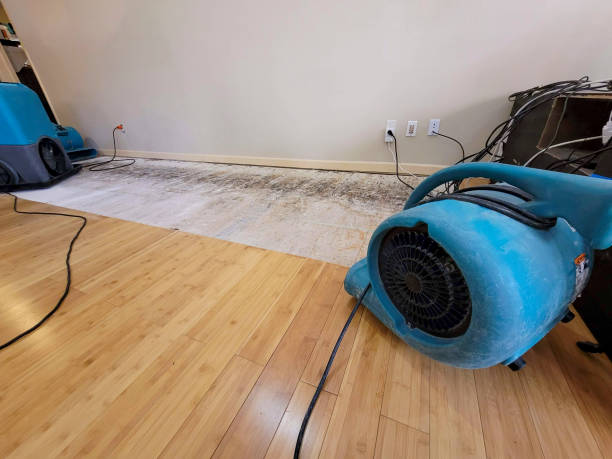
Porous materials — carpet, drywall, insulation — that contacted sewage are removed and disposed of per regulatory guidelines.
Disinfection follows the same standard regardless of how small the backup appeared initially.
Air scrubbers and odor-neutralizing treatment address both smell and airborne pathogen concerns.
Final verification checks confirm the biohazard has been fully addressed.
Every sewage call gets routed with full PPE crews from the start.
Our nearest available Dayton, OR crew heads out equipped for Category 3 response.
You'll know the scope and cost once contamination levels are confirmed.
Final verification protects your family or tenants, not just the paperwork.

"They treated our sewage backup like the serious situation it was, full suits and everything, not a quick mop job." — Wanda C.
"Appreciated that they explained exactly what would need to be thrown away and why, rather than just guessing." — Desmond K.
"The smell was completely gone by the time they finished, not just masked with an air freshener." — Alina M.
Blackwater contamination poses real health risk, unlike clean-water leaks, which is why it needs a different protocol.
Carpet, pad, and often drywall that touched sewage typically can't be saved due to contamination risk.
Compliant, registered products are standard on every sewage job.
Post-cleanup verification confirms the space is safe for reoccupation.
Often yes, especially for sudden sewer backups, though coverage varies by policy — we can help document the loss for your claim.
Sewage should be treated as urgent, since delay increases both health risk and the amount of material that can't be saved.
Our Dayton, OR biohazard-trained teams cover Dayton and nearby communities with full PPE and containment equipment ready.

One call gets a full PPE crew routed to Dayton.
Call +1-844-578-1604